




Soarele a răsărit la ora 5:31 şi va apune la ora 21:04, de unde rezulta nu mai puţin de 15 ore şi 33 de minute de zi... si, mergand mai departe, 8 ore si 27 de minute de noapte! Clar, in noaptea asta Connect-R sigur nu doarme! :))
joi, 21 iunie 2012


vineri, 15 iunie 2012
Descoperim bucurie... si nu numai: Gdansk Euro 2012
Carnaval. Si bucurie. Multe feluri de bucurie...
 Cantecele spaniolilor sunt acompaniate de dansuri si costumatii cum nu pot descrie... Ok, am sa incerc... Iese in evidenta armata de barbati imbracti in rochii lungi, albe cu buline rosii semannad cu stapana lui Tom din Tom & Jerry... sau altii mulati din cap pan-n picioare, viu colorati, dominand mereu rosul... majoritatea cu felurite masti si peruci si "armati" cu steaguri sau tricouri... tot timpul pictati pe fete galben-rosu...si peste toti multa bere...si corida... si tarie... si-n sticle si-n suflete...
 In marea galben-rosie ale caror valuri danseaza regasesti mici pete albastre: sunt italienii, un pic mai reci si mai mandri. Unii sparg barierele si se imprietenesc la o bere cu "toredorii"... Toti sunt simpatici cand incearca sa-i picteze pe ceilalti in culorile favorite...sau cand isi schimba tricourile pentru fotografie... Si din senin se mai aude cate un "Sono un italiano"...
 Noi facem fotografii cu toti. Si ne pictam cu ei. Si bem cu ei. Si cantam cu ei... Ne bucuram impreuna cu ei, asteptand replica acestui spectacol si pe stadion. Si ea vine. Cantece. Valuri. Goluri. Fete incordate. Zambete. Bucurie din nou... Si totul se muta in oras pentru a relua, intregi si inchide spectacolul!

Maine steagurile galben-rosii poate vor mai fi pe garduri, dar nu si cel rosu-galben- albastru cu "Justice for Craiova"... Si nu va mai aparea nici pe ecranul mare al stadionului... si nu se va mai auzi nici "Oltenia, eterna Terra Nova" pe fundalul de "Viva Espania"... Nu de la noi. E picatura de tristete care te face sa apreciezi si mai tare bucuria atunci cand o ai!
PS: Ce n-as fi dat sa fi jucat Romania! Si Craiova sa mai existe! Pentru ca suporterii acestor doua echipe stiu sa se bucure, poate mai bine decat sufera!


 Noi facem fotografii cu toti. Si ne pictam cu ei. Si bem cu ei. Si cantam cu ei... Ne bucuram impreuna cu ei, asteptand replica acestui spectacol si pe stadion. Si ea vine. Cantece. Valuri. Goluri. Fete incordate. Zambete. Bucurie din nou... Si totul se muta in oras pentru a relua, intregi si inchide spectacolul!
Maine steagurile galben-rosii poate vor mai fi pe garduri, dar nu si cel rosu-galben- albastru cu "Justice for Craiova"... Si nu va mai aparea nici pe ecranul mare al stadionului... si nu se va mai auzi nici "Oltenia, eterna Terra Nova" pe fundalul de "Viva Espania"... Nu de la noi. E picatura de tristete care te face sa apreciezi si mai tare bucuria atunci cand o ai!
PS: Ce n-as fi dat sa fi jucat Romania! Si Craiova sa mai existe! Pentru ca suporterii acestor doua echipe stiu sa se bucure, poate mai bine decat sufera!
duminică, 13 mai 2012
3 doruri de duca...
Nu ma pot hotari... Cred ca trebuie vazute toate, in ordine aleatorie...
- Cascadele Iguazu, Argentina - Brazilia - Iguazú Falls, called Foz do Iguaçu in Portuguese, and Cataratas del Iguazú in Spanish, lie on the Argentina - Brazil border and are a UNESCO World Natural Heritage Site. (Povestiri de acolo)
- Marea Bariera de Corali, Australia - It is the largest reef in the world and consists of nearly 3000 individual reefs, 880 islands and hundreds and thousands of different types of plant, bird and marine life. (Povestiri de acolo)
- Raul subteran Puerto Princesa, Filipine - one of the Official NEW 7 WONDERS OF NATURE (Povestiri de acolo)
miercuri, 2 mai 2012
Efharisto para poli! Grecia (episodul 2, primul este nescris...)
Daca nu as mai fi folosit tastatura de cand n-am mai scris pe blog mi s-ar fi pocit literele... Dar iata-ma-s!
 Adulmecand mirosul marii, cu tot cu fructele ei combinat cu arome metaxiene si de tsipuro, stai in fata ei sorbind o cafea greceasca (ca doar esti in grecia, altfel ar fi turceasca - daca erai in turcia...) Oare mai vine calamarul ala? Sau l-a mancat pe bucatar? Cred ca acum gateste caracatita la cat de intarziati sunt...
Asa sunt ei, grecii, un amalgam de contradictii! Vorba lui Kostas "noi n-avem bani, e criza... uite masina mea (un mertzan), uite si doua beri din partea casei! Si shoturile la fel, mai avem!" Par ca muncesc cat au nevoie sa cante pe ritmurile muzicii lor pana dimineata, pentru ca la pranz sa o ia de la capat... "Zorbas! :)) " Se sparsese un pahar!
Zeii au fost darnici cu ei. Se amesteca marea cu muntele lasand fasii de plaja cu apa turcoaz de si Picasso s-ar fi aratat invidios cum se amesteca si se separa turcoazul cu verdele! Si prajiturile alea care-ti gudura papilele dintr-o explozie! Si soarele cu zambet blond! Si crevetele! Si zambetul lor! Si...ce daca... Si vinul e bun! Si berea, dar dupa a doua! Si apa e un pic cam rece...si transparenta...

Dar ce e mai interesant e ca mirosul marii cu tot cu fructele ei combinat cu arome metaxiene si de tsipuro dureaza si dupa ce ai plecat de acolo! Si te cheama ca sirenele cu coada albastra cu cantecele lor, lega-m-as de catargul masinii sa pot ajunge in 10 ore acasa... ca sa ma mai pot duce si altadata!
joi, 13 octombrie 2011
Orionidele - stele cazatoare...

Putem vedea în medie 25 de stele căzătoare pe oră dar pot fi numai 10 sau chiar 60. Depinde de traiectoria planetei noastre și de bogăția norului de particule. Puteți observa Orionidele după miezul nopții până la răsăritul Soarelui interval în care constelația Orion se află deasupra orizontului. Anul acesta cerul va fi stricat de Luna în faza de Ultimul Pătrar, fiin posibil să vedem numai 10 stele căzătoare pe oră. Dacă stați cu ochii pe cer trei ore veți vedea mai multe, mai ales dacă vom avea o activitate crescută.
Acest curent de meteori este cunoscut pentru meteorii foarte strălucitori (bolizi) pe care uneori îi produce, un motiv în plus pentru a-l observa.
Dacă doriți să observații meteorii cu ochii voștri trebuie să ieșiți în afara orașului și să priviți cerul minim o oră. Se recomandă să priviți la zeni (deasupra capului)."
Sursa: http://www.astro-urseanu.ro/
vineri, 8 iulie 2011
Aventurile Cavalerului de Curtea de Arges la britanici

"...chiar acum sunt pe un mare vapor Stena Line pe drumul intre belfast si glasgow. ce am facut pana acum: am luat un avion Bucuresti Paris CDG, cu mici turbulente in zbor, ajuns la paris si luat o avioneta RJ aircraft avroline si nu mai stiu cum... era de cca 60 de persoane (un pic mai mare ca autobuzu de Pitesti) , ajuns cu bine la Dublin, cautat rapid cazarea de Dublin , gasit pe Drumcorda Road, chiar v-a-v de un mare stadion de-al lor.
gazda - un negru, dar de origine indiana , pe nume Bala , foooaaarte prietenos- mic dejun numai scrrambled eggs - cu mare accent pe scrrrrrrr....
vineri 1 iulie - plecat la vizita dublin, vazut Castelul lor, ghid vorbitor - frumos. dupa aceea mancat ceva - ca se facuse timpul, si plecat catre Old Jameson Distilery - mi-am propus obiective culturale :), acolo la inceputul turului ghida a intrebat: se ofera cineva voluntar sa deguste niste whiskey? bineinteles, ca si Mihnea s-a bagat.... degustare whiskey irlandez , whisky scotian si american... diferenta:irlandez se scrie cu e in whiskey si fara e in whisky scotian si cel american... american este vestitul Jack Daniels. Alte difrente: irlandez e triplu distilat si se pune la pastrare/ invechire in butoaie folosite din Portugalia... cel scotian este dublu ddistilat si un pic afumat, cel american are gust de lemn proaspat - se invecheste in butoaie noi... degustarea se face cu baut de apa intre....
dupa degustarea de whiskey, cautat urmatorul obiectiv cultural si anume Guiness factory... o imensitate de fabrica de bere unde la finalul turului , la et 7 in sky bar iti da un PINT de bere proaspatta Guiiness... dar nu are nici o treaaba cu ce stim noi despre bere, e mai ciudata la gust...
in fine cam atat din Dublin, denumirea vine de la Duuv Linn - in irlandeza lor celta cred inseamna balta neaagra, acum orasul are si denumirea Irlandeza Baile Atha Cliath - inseamna acelasi lucru.
2 iulie dimineata dus la aeroport si luat o masina de inchiriat Ford Focus - si omul de acolo iimi spune ca sunt primul sofer masina avea doar 35 km la bord. luat masina cu emotii - de condus pe partea cealalta - volanul, schimbatorul are vitezele in aceleasi pozitii si e intr-un mare fel sa mesteci in oala cu mana stanga... nu prea imi iesea a 2-a :)
in fine pe autostrada sunt 3 benzi si te obisnuiesti... dus catre waterford - luati pe google map de cautati - acolo voiam sa vad un muzeu al comorilor, dar surpriza: orasul era inchis avea loc TALL Ships Race si jumatate de irlanda era acolo...
asa ca am mers catre Corcaigh sau Cork sa cautam ceva de cazare...nu am gasit asa ca am mers catre Blarney castle - cca 15 km de oras si am gasit cazare si cu bere..... in seara respectiva meci box Klistko sau cum se scrie vs Hay englez... toata Irlanda tinea cu rusul din principiu ...)
dimineata 3 iulie vizitat castelu din Blarney unde in varf era o piatra de pupat - piatra de la Blarney. sa o pupe altii! te punea sa stai cu capul in jos pe spate si sa o pupi... la cca 50 m de pamant...
de la blarney am plecat la un alt castel undeva langa Limerick, sau Lumneach in irlandeza butterny sau nu stiu cum... frumos vizitat, mers cu masina dupa pana la Spanish Point _ va rog verificati cu google unde este:am bagat pe gps, m-a scos de pe autostrada , m-a bagat pe un drum stramt de 2 masini si dupa - cca 1 km pe o carare....cu greu trecea o masina... in fine am ajuns si am vazut oceanul....dupa aceea am mers la Galway....8 milioane de oi in Irlanda si cam tot atatea vaci... niste peisaje intr-un mare fel... in Galway- cu 50 de mii de locuitori, gasit cazare super la un bed&breakfast vazut orasu seara. Dimineata plecat in tinutul Connemara - nebunie de peisaje....ajuns pana langa oceanul nord atlantic- pe o strada care se nume sky road strada este la cca 100 de metri pe munte, direct langa ocean... senzatie unica...
luat apoi drumu' back to galway, autostrada catre dublin, mancat prost in Athlone, ajuns cu bine la Dublin. lasat masina cu rezervorul plin si cu 1000 de km mai multi. Motorina costa 1.5 euro litrul, irlanda este scumpa... un om mananca o masa cu cca 15 eur....
5 iulie dimi luat un tren pana la Belfast in UK, gasit cazarea pe cromwell road, relativ aproape de city hall... vizitat city hall free, vazut gaura de unde a plecat Titanicu.... baut niste pint of Carlsberg...
plecat azi dimi, adica 6 iulie catre vapor HSS STENA LINE, London Voyager...t... si mergem catre Stranraer de unde luam un tren catre Glasgow..."
Mihnea
duminică, 8 mai 2011
Trasee turistice - Curtea de Arges - Campulung Muscel

Curtea de Arges
Asezare. Orașul Curtea de Argeș este localizat în partea de nord a județului Argeș, în depresiunea intracolinară a bazinului superior al râului Argeș, la o altitudine de 450 m deasupra nivelului mării, și este înconjurat de dealurile și muscelele sudice ale Munților Făgăraș. Suprafața orașului este de aproximativ 75 km², cadrul natural fiind condiționat de prezența zonei montane din apropiere, care se află la circa 28 km distanță și care introduce variație și diversitate. Este situat la o distanță de 38 km de municipiul Pitești, la 36 km de orașul Râmnicu Vâlcea și la 45 km de Câmpulung.
Istoric. Descoperirile arheologice atestă că, încă din prima epocă a fierului, pe aceste meleaguri trăia o populație dacă, condusă de Dromichaites (secolele IV - III î.Hr.). De asemenea, conform unor săpături arheologice efectuate de Nicolae Constantinescu, pe la 1200 aici exista o mică reședință voievodală și o bisericuță.
Unii specialiști afirmă că tot aici și-ar fi avut curtea Seneslau, conducătorul unei formațiuni statale după cum apare pe diploma cavalerilor ioaniți. Legenda spune că Negru Vodă, coborând din Făgăraș, ar fi întemeiat orașul pe la 1290; alții îl considerau pe Litovoi drept Negru Vodă. Aici s-a aflat curtea lui Basarab I care, până la atacul maghiar din 1330, care a dus la probabila distrugere a orașului, s-a mutat temporar la Câmpulung-Muscel.
Numele inițal al orașului era Argeș. Numele actual al orașului începe să fie folosit din secolul al XVI-lea, prima mențiune cu denumirea actuala datand din 1510 de la domnitorul Vlad cel Tânăr. Până dupa moartea lui Neagoe Basarab, cel ce ridică aici cunoscuta mănăstire, în Argeș și-a aflat reședința Mitropolia Ungro-Vlahiei, întemeiată aici de Nicolae Alexandru, în 1359, primul mitropolit fiind Iachint de Vicina, iar ultimul Macarie al II-lea (1512-1521). Tot în timpul domniei lui Nicolae Alexandru a fost terminată construcția Bisericii Sf. Nicolae domnesc, prima necropolă a domnilor români dintre Carpați si Dunăre, dar și Biserica Sân Nicoară, numită de localnici Sf. Nicolae cel Mic, despre care se spune că a fost ctitorită de Doamna Clara, mama voievodului. La Curtea de Argeș este înfiintată și prima monetărie a țării de către Vladislav I (Vlaicu) (1364 - 1367), domnitor care a sprijinit intensificarea legăturilor comerciale dintre Muntenia și orasele din Transilvania și a „lăsat“ cel mai vechi document intern, scris la Argeș pe data de 25 noiembrie 1369. Tot în această perioadă este înfiintată și prima școală locală, unde învățau fii orășenilor.
Obiective turistice. Biserica mănăstirii, Sala Manole, Mănăstirea Argeş, Fântâna lui Manole, Casa Norocea, Curtea Domnească, Biserica Domnească, Muzeul municipal, Casa Goangă, Biserica Olari, Ruinele Sânnicoara
Legenda Mesterului Manole spune că tot ceea ce meşterii ar fi zidit se darama de la o zi la alta. Meşterul Manole ar fi visat într-o noapte că dacă îşi va zidi soţia, pe Ana, în pereţii Mănăstirii, aceasta nu se va mai darama si asa a facut... Mesterul ramas izolat pe acoperişul Mănăstirii, din porunca domnitorul Neagoe Basarab, Manole şi-a făcut aripi din şindrilă ca să zboare, dar s-a prăbuşit. Din locul unde a atins pământul a ieşit un izvor care curge şi acum în apropierea Mănăstirii…
Legenda Mesterului Manole spune că tot ceea ce meşterii ar fi zidit se darama de la o zi la alta. Meşterul Manole ar fi visat într-o noapte că dacă îşi va zidi soţia, pe Ana, în pereţii Mănăstirii, aceasta nu se va mai darama si asa a facut... Mesterul ramas izolat pe acoperişul Mănăstirii, din porunca domnitorul Neagoe Basarab, Manole şi-a făcut aripi din şindrilă ca să zboare, dar s-a prăbuşit. Din locul unde a atins pământul a ieşit un izvor care curge şi acum în apropierea Mănăstirii…
Imprejurimile (vezi harta): Bradet (28 km de Curtea de Arges) - localitate cu privelisti superbe unde gasesti un schit din lemn din sec XV copie a Manastirii Cozia; Corbi (numele complet este Corbii de piatra) - gasesti Biserica Manastirii Sf. Petru si Pavel, sec XIV, sapata in stanca, cu cateva fresce in stil bizantin tot din acel secol, alaturi de care gasesti "Tribunalul" o alta "cavitate" folosita de Neagoe Basarab in calitatea sa de judecator; Nucsoara - este localitatea unde a locuit Elisabeta Rizea (1912-2003), simbol ar rezistentei taranului roman impotriva comunismului, povestea ei facandu-se auzita prin documentarul "Memorialul durerii"; Jidava - Situat in sudul orasului Campulung Muscel pe fostul teritoriu al satului Apa Sarata ce azi e parte a Campulungului, Castru roman Jidava (Jidova ori Sidova in istoria veche) este parte componenta a sistemului de aparare Limes Transalutanus. Acesta a fost ridicat de imparatii romani Commodus si Septimius Severus in perioada 190-211 (incepea la Turnu Magurele si se sfarsea la Pasul Bran pe o lungime de 235 de kilometri) cuprinzand 13 castre romane inclusiv Castru Jidava. Acesta era cel mai mare dintre ele avand dimensiunile de cca 130 m/100 m fiind singurul construit cu piatra si caramida arsa; Campulung Muscel - Manastirea Negru Voda din secolul XVII, Muzeul de Etnografie, Casa Golescu; Namaesti - gasesti o fascinanta bisericuta taiata in stanca (legenda spune ca doi ciobani au cioplit-o intr-o pestera in care au gasit o icoana reprezentand-o pe Fecioara cu Pruncul).
Surse: Ghidul National Geographic - Romania, Wikipedia , www.director-turism.com, www.elisabetarizea.ro, http://www.welcometoromania.ro
sâmbătă, 16 aprilie 2011
Bucharest and beyond...

"Like a giant exotic insect, a large glass clings to the side of an apartment building in the Piata Romana, multicoloured straws emerging from it like tentacles.
From above, an oversized Coke bottle, lying along the building's roof, pours a murky stream of fake beverage.
This, we take it, is the face of the new Bucharest. As we trundle around its streets in our rented Ford Fiesta -- amid garish billboards for Vodafone, L'Oreal and the like plastered on Parisian and neo-Romanesque facades -- this face seems increasingly like that of an adolescent trying on make-up for the first time.
Seeking refuge we head to the Romanian Athaeneum, which sits like a wedding cake in the centre of Bucharest, its white columns defiantly billboard-free. In one of the concert halls, a small crowd has gathered to hear a Polish pianist play Chopin. Despite his stirring arpeggio-filled mazurkas and his lyrical rendering of nocturnes, each piece is followed by an awkward silence. It's as if the audience is still making up its mind whether or not to applaud.
Most Romanians we speak to seem to exhibit a similar ambivalence about the direction in which their country is headed. Aboard the flight from Paris to Bucharest, we meet Nikolae, a former ship's master with piercing bluish-grey eyes, who laments the fact Romanian youth of today don't know or care as much about history as his generation did. On the backs of our boarding passes he scribbles the word tuica, the name of Romania's traditional plum brandy, key conversational phrases and details of his villa by the Black Sea to which he warmly invites us.
Another afternoon, at a food stall, we strike up a conversation with Ileana after she helps us navigate the intricacies of a Romanian menu.
She joins us for lunch at a picnic table across the road from the ironically titled People's Palace. I say ironic because 30,000 of the people's homes were bulldozed by the dictator Nicolae Ceausescu in his rush to erect this austere behemoth, the world's second-largest building.
When asked if things were better now than under his rule, Ileana shrugs: "Well, you know, you can't have it all."
We gnaw contemplatively on our roasted pork and green capsicum kebabs, an impatient breeze tugging at the paper napkins pinned down with slices of bread.
Ileana explains she is glad that Romania's EU membership gives her the freedom to travel throughout the continent but she's not so thrilled about the increasing rates of unemployment and crime.
"In the old days, everyone was guaranteed a job and a decent apartment." As if to poignantly drive home her point, I catch sight of a beggar sitting in front of the People's Palace surrounded by four bulging garbage bags presumably containing his worldly possessions.
While the older generation speaks with some fondness of the past, younger Romanians seem to have embraced the present with open arms and wallets.
Wandering through early evening crowds in the leafy Cismigiu Gardens, every twentysomething person and teenager we see sports an iPod casually dangling from their neck.
Two of the most striking sculptures are in the Piata Revolutei (Revolutionary Square). Right in front of the Central Committee building from which Ceausescu gave his last speech to jeering crowds in 1989 before being whisked away by helicopter to face a firing squad, sits the statue of Iuliu Maniu, a former Romanian prime minister, imprisoned in 1947 for his opposition to communism.
Maniu looks emaciated but defiant. Near him stands the Memorial of Rebirth, a 25m-tall triangular marble blade skewering a black metal boulder, which commemorates the Romanian Revolution that led to Ceausescu's downfall.
Inside the health club on the 21st floor of the InterContinental, the tallest hotel in Bucharest, middle-aged East European businessmen spread their white-towelled torsos out onto the heated marble slab that faces the view.
As we wander out to the adjoining terrace, I can imagine the electric anticipation rippling through the hotel in 1989 when it was the vantage point of choice for the international media reporting on the Romanian Revolution.
Below us the architectural potpourri of the Bucharest skyline reflects Romania's rich and diverse cultural and historic heritage.
Eighteenth-century Orthodox churches nudge up against sombre communist-era apartment blocks. Straddling Rue Kiseleff is Bucharest's own Arcul de Triumf crested by the Romanian tricolour, very similar to its Parisian cousin.
On the Calea Victoriei, the Novotel exemplifies the blending of the traditional and the modern with the reconstructed 19th-century facade of the old Opera House fronting the hotel's modern black glass exterior.
Heading into the countryside towards Transylvania we pass more medieval churches as well as peasant families riding on donkey-drawn carts.
We roll into Brasov, the capital of Transylvania. Schoolchildren play football in the sun-dappled shadows of the gothic Black Church, which borders the town square. Our hotel, the Bella Muzica, prides itself on being located in a 400-year-old building.
While the interiors have been refurbished, the cavernous restaurant in the basement with its stone arches and lanterns makes it seem as though we are eating in a modified but cosy dungeon.
Stepping outside the town's walls, we climb up to the White Tower, one of two watchtowers constructed in the 15th century to alert the townsfolk to imminent raids by Turks and Tartars. Perched on its steps, we watch tendrils of smoke rise from the roofs below, with barely a sound but for the gentle rustle of the river.
We make the obligatory detour to Bran to visit Dracula's castle.
A sign announcing Vampire Camping indicates we must be getting close.
Outside the castle, stalls sell blood wine and a few men wander about in masks and fangs, draped in red and black capes trying to act appropriately ghoulish.
Despite the build-up, the eeriness factor of the castle where Vlad the Impaler, the source of the Dracula myth, visited a few times, is disappointingly low.
Sunlight bathes the central courtyard and the arched windows offer bucolic views of a brook, green fields and the brick cottages of rural Transylvania.
A more imposing presence is Pelees Castle in nearby Sinaia, which rises out of its backdrop of rolling green hills and dense pine forest like a scene from a fairytale. Originally the home of King Carol I, it was later taken over by the Communist Party and used by Ceausescu to host dignitaries such as Richard Nixon, Muammar Gadaffi and Yasser Arafat.
From its terraces a range of regal sculptures of queens in flowing robes and knights in full armour gaze out onto the breathtaking landscape bordered by the snowcapped Carpathians.
Back in Bucharest, we spend our last afternoon searching for the graves of Ceausescu and his wife, Elena, who was also executed in 1989. Our queries for directions from passersby elicit a variety of responses.
One sarcastic woman questions why we are looking for them. Others shrug and say they don't know and don't care. It is dark by the time we finally pull up in front of the large iron gates of Ghencea Cemetery.
"Sorry, closed," shrugs the caretaker through the railings, his white teeth gleaming in the moonlight. We plead with him and finally he relents after securing a promise to buy him a beer.
We crunch along gravel to the dictator's grave; the Orthodox cross that marks the spot glints ghostly white in the light of my camera's flash. Several fresh bouquets of red and white lilies carpet the ground.
Elena's grave is relatively unadorned, with a black iron cross eerily resembling a stake rising out of its centre.
The two were buried in different parts of the cemetery, the caretaker explains, as punishment for their sins.
As we walk to dinner at Balthazar, a trendy French-Asian restaurant, later that night, the dimly lit backstreets are roamed by packs of stray dogs, progeny of the ones abandoned by the Romanians who lost their spacious dwellings to Ceausescu's People's Palace project.
Their howls send chills up our spines and we walk gratefully into Balthazar's oasis of warmth and light. As the howling recedes into the darkness, it feels almost as if the ghosts of Romania's past have finished their work for the night." (www.theaustralian.com.au)
luni, 14 februarie 2011
Romania - seen by Nele Demeulemeester. First stage.
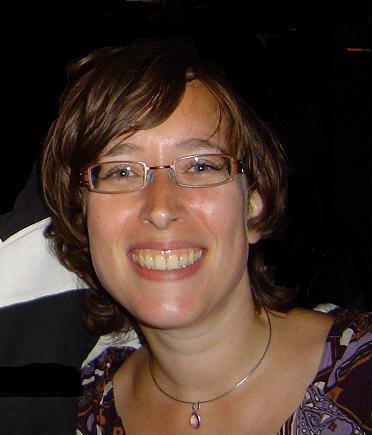 For many people, Romania is a country, like so many others, that they know very little or almost anything about. Or probably, they assume they know the country because of all the immigrants that arrive in their cities; they blame them of taking their jobs (but most of the time, immigrants just do the work that locals don't like to do anymore). Or lastly they know a little bit of Romanian's history and the communist era. And this is also how I ended up in this wonderful country with beautiful nature and amazingly hospitable people. About 10 years ago when I was 17, my history teacher asked to write a paper about a historical event or a remarkable person. Not wanting to write aboutNelson Mandela, nor Mother Theresa, as I wanted to discover something else, I asked my mom for some inspiration. She came up with a dictator in the 80ies and his wife had a lot of shoes - but she didn't remember the name. I thought: "Mom, how can I write a paper about this??" But I googled a bit and soon I bumped into Ceausescu. After an interesting research and succesful paper, I wrote in my conclusions that "I didn't know when or how, but once I wanted to go and visit the country to find out if history was still visible and how it had influenced the actual situation in the country". Not knowing that one year later, I would already be in Romania with AIESEC (www.aiesec.com) |
In the summer of 2002, I took off to Bucharest and headed towards Craiova where I took part in the AIESEC round trip "Romania beyond Dracula" (rather than Romania beyond Ceausescu). My first impressions of the country, apart from the shock upon arrival when I met the guards at the immigration office with heavy weapons and the rude customs officer. I didn't feel welcomed at all, luckily my AIESEC friend waited for me outside. After waiting for 6 hours in the airport ofBucharest (because I was so "clever" to book a flight that arrived at midnight, so we had to wait for the first bus to the city centre and the bus to Craiova).
We killed the time with chats about Romania, I translated my tourist guide which was considered by my friend as bad. It seemed that it was written by a person that only knew Transsylvania and had generalised all his experienced for the entire country.
So, not knowing what to expect for the rest, we left the airport at dawn. The busride to the centre was an eye-opener for me as a badly prepared Western tourist. The cars in the street seemed from the time when my grandparents just got married. The Dacia was overruling the streets of Bucharest for the last 5 years. When I got back in 2007, I was shocked again by the rapid evolution of the country, seeing more Porsche Cayenne, Mercedes and BMW than inBrussels.
In the centre, we passed the Presidential Palace built by Ceausescu. While the sun already burnt on our skins and after some bodybuilding exercises with my suitcases filled with chocolate and beers, we took a rest near one of the fountains on the main avenue. At this point, I thought back at the stories that I read to write the paper. All cruelties that happened to build the palace passed as a movie in my head. I burst into tears because of unbelief, I tried to imagine all the houses that were destroyed for the palace. My friend woke me up from my historical thoughts, saying that at Ceausescu's time people were at least sure of the things that they got from the government. The freedom that they gained after 1989 went hand in hand with poverty and uncertainty. So many people preferred to receive very few things instead of being free and left with nothing. This moment was actually one of the sadest I passed in Romania.
As from now on, the discovery of all unknown hidden paradises and charming people could start. I was surprised by the welcoming people whereever I passed. Romanians are very hospitable people. My friend carried my heavy suitcases all over the city, opened the door for me all the time, I - as a guest had to enter the house as the first one, I was even given his room to sleep in for the time I stayed (in total one month). I can't imagine this in Belgium: guys let you struggle with your luggage, the host enters the house first and the guest follows, and the guest is given a spare mattress or an inflateble mattress on the floor most of the times.
Another nice surprise was the delicious food. Oh my god, I rediscovered the real taste of tomatoes compared the perfectly looking vegetables that we find in the supermarkets here. But everything here tastes like water. Every morning, I woke up - went to the garden - picked a tomato and prepared my breakfast. I needed some days to adapt to the salty breakfast with cheese and vegetables, because I only eat bread with chocolate cream in Belgium. There was always one little plate with jam. So the first days I took that on my bread, until I discovered that this was only for your last slice - as a sort of a desert ... Shame on me, but nobody told me anything nor blamed me for my ignorance of the local habits.
And when I got back to Belgium, I asked my mom: do you have tomatoes and cheese. She gave me what she had in the house: a disgusting perfectly looking tomato without taste and some gouda cheese. Also tasteless compared to the good traditional Romanian cheese. It's a bit like feta, but a little different and a pity I can't find it easily in Belgium. Another cheese I really miss is the smoked one. I can go on with my list of delicious foods: raisins, watermelons, meat balls prepared on the barbecue, mamaliga (a side dish made with maize), ... Recently, I was really sad to learn that the tasty vegetables and fruits are threatened by the European Union rules which request perfectly looking stuff of a standard measure and a standard color. I do hope that these people who impose these rules have the chance to taste real food and become more flexible in order to save healthy and tasty food. It's not because an apple has a little brown dot that it's rotten. No, it's because of a little worm - a really intelligent animal that also knows which food is the best! And you will not die of it.
Another tradition in Romania is that you never throw away what is left in a glass. If I left a glass of water or juice half empty, I found it back the day after. On the other hand, if your glass is empty, it's filled immediately. So if you need a break during the palinca or tuica tasting, a local fruit brandy, you are advised to leave a bottom of a glass.
During the trip of "Romania beyond Dracula" some international delegates complained that it was almost everyday pork meat. I didn't mind because I'm quite flexible in food, but it is true that Romanians eat a lot of pork in all shapes, cuts and ways of preparing the meat.
I was also very lucky to participate in the holiday of Saint Mary (August 15th) at the country side. Romanians, being mainly Orthodox, also have a period of fasting before this day and abstain from all kinds of meat. This results in an enourmous party with at least 5 courses, all containing meat. I never as much meat in my life as then. Chicken, meat balls, barbecue on the
ground with some wood and an improvised grill, ... This was real tradition! And of course I had to share the alcoholical beverages too: home-made wine of the countryside, palinca in a special glass so that you don't smell it, because the smell makes you drunk. I was asked to drink it bottom up. Not being used of drinking these types of strong beverages, I was afraid to get drunk immediately, but indeed, I didn't feel anything at all - just my voice dissapeared for a minute because of the high percentage of alcohol (between 40 and 60, but nobody knows exactly, because it's all home-made).
After this day filled with traditions, I experienced once more the Romanian hospitality. The parents of my friend gave me some souvenirs to take home: a beautiful handmade plate and 2 wooden spoons, all heritage of the family. My friend even told me that those were the spoons that he fought for with his cousins and sister when he was at the country-side with his grandparents. I was honoured that they gave me this presents, but on the other hand, these were family pieces that I didn't want to take away from where it belonged to. I thanked the family gently for this present, but said that these things should stay at the countryside. Trying all my best to convince them, they didn't accept this and I had to take the things home. I really cherish this souvenirs and consider them as very special because they are the symbol for me that I was accepted as a family member and they also symbolise the Romanian hospitality.
7 years later, I was invited to the wedding of this friend. But that is another story full of traditions, which I will share with you next time. I can just add that the culinary aspects of a wedding are also particular.
Take care for now, and feel free to share your opinion and experiences or ask me for further explanations at demeulemeesternele@yahoo.com.
duminică, 30 ianuarie 2011
Remember: Thailanda & Cambodjia - Prima zi in Cambodjia
"Ne-am trezit devreme, am luat micul dejun si ne-am luat la revedere de la gazdele noastre. Unul dintre ei ne-a dus la aeroport.
Zburam spre Bangkok cu ceva emotii la aterizare. Vom schimba avionul, dar si aeroportul. Sunt la 45 de km unul de altul. Zburam in Cambodjia cu Bangkok Airlines care are excusivitate pe aceasta directie – Siem Riap – si niste preturi nesimtite pentru cele 45 de minute de zbor... Mai tarziu, in Cambodjia, am aflat de la Kany (ghidul nostru de acolo) ca puteam veni cu autobuzul, am fi facut mai mult ca si timp, dar daca pui orele pe care le petreci in aeroport si faptul ca am fi platit undeva o treime din pret cred ca ar fi fost mai ok.
E bine de stiut pentru data viitoare :D sau pentru cei care veti merge!
Stam de ceva ore in aeroport timp in care ne cautam cazare pt Puket si Phi-Phi... insula... Aeroportul e dragutz pentru ca are si spatii amenajate pentru fumatori, astfel incat din cand in cand mai fumez o tigara. Oricum am fumat mai putin decat m-am asteptat... doua pachete i le-am lasat lui Lek suvenir si alt pachet satenilor pe drumul prin jungla... fumau tutun intr-o foaie ca de porumb... am incercat si eu, bineinteles! :))
Am reusit in aeroport sa intru 5 minute si sa anunt poporu' ca sunt ok.
Azi e ziua lui Alex... La muuuuulti aaaaaaaani, Aleeeeeeeeeex! I-am trimis sms sa-l uram!
Plecam spre Cambodjia dupa ce am inghetat prin aeroport. Au astia 15 grade in si peste 30 afara... In autobuzul ce ne duce la scara avionului era un tip certat cu dushul, atat de tare ca-ti muta nasul.
Asteptam sa decoleze. In Siem Reap ne asteapta ghidul. Sau cel putin asa confirmat. :)
Cum nu aveam cazarea asigurata am avut ceva emotii la completarea formularelor pentru viza, datorita faptului ca trebuia sa completam adresa la care vom sta. Dupa lungi deliberari am ales sa trecem adresa unui hotel dintr-o revista din avion! :D
Viza? Formularul il lasam intr-o sala mare la prima persoana din cele peste 10 pe la care va trece pasaportul si apoi astepti cuminte in fata ultimului sa fii strigat. Dam pasaportul si mergem la coada. se striga... au o limba frumoasa, atunci cand o vorbesc pe a lor, pt ca numele care le ies pe gura cand ne striga... Francoi (citit cum l-am scris)... tot asteptam sa-l vedem pe francez, cand apare o tipa cu privirea stalcita ca si numele...
Primesc viza. Apoi Adela si restul... radem cand stam la coada pt controlul vamal. Tre sa privim iar in camera ca la thailandezi... Bondarica fusese in China si povestea ca i-a fost greu cu viza pt ca erau “soparle olimpice” :))) Eu asta auzisem pt ca aveam inca urechile infundate... “Ce soparle olimpice”? si toata lumea se puse pe ras... Erau doar Jocurile Olimpice...
Iesim. Ghidul era acolo. socializam, discutam de traseu si cazare. Luam doi tuc-tuci si mergem sa cautam cazare... gasim... langa o farmacie... :) arunc un ochi sa vedem cum se prezinta, nah, n-am plecat de mult de la serviciu :) Apropos, ce-or mai face baietii mei?
Pe drum am vazut orasul, hoteluri foarte bine luminate si mari. Aerul e altul... Kany- ghidul e cu mine si Marius in tuc-tuc. Ne explica despre Siem Reap si Cambodjia... Ne intreaba care cu care suntem cuplati si rade cand aude ca eu sunt cel singur... “Karaokeee, ma' friend”... 60-70$ toata noaptea ... Nu stiu ce au astia cu mine, nu cred ca par disperat... :))
Recu negociaza cazarea in stilu-i caracteristic si scoate super reducere. Si aici totul se negociaza... Ne dushuim si iesim cu tuc-tucii in sat... pardon oras :). Ne oprim la o terasa destul de plina... plina de turisti... Mancam bine si bem vreo 4-5beri... Sa tot stai aici...Berea la halba e juma de $... la sticla? 3-4 $, dar si aici are 640 ml...
Luam tuc-tuci spre hotel... Ma apuc sa scriu pe muzica traditionala... Mi se inchid ochii...
Maine mergem la Angkor Wat...
Noapte buna, copii..."
Abonați-vă la:
Postări (Atom)


